
No products in the cart.


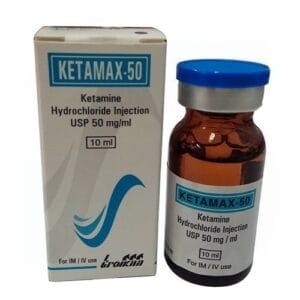
Ketamine Hydrochloride | Buy ketamine
Ketamine hydrochloride is a potent anesthetic and pain reliever that is commonly used in both medical and veterinary settings. It’s getting more attention in mental health treatments, particularly for depression and PTSD. This guide contains accurate and reliable information to assist patients, carers, and healthcare professionals in making informed decisions. At-home ketamine treatment cost
What does “ketamine hydrochloride” mean?
Ketamine hydrochloride is a dissociative anesthetic. It alters sensory perception, producing pain relief, sedation, and sometimes hallucinations.
- Drug Class: NMDA receptor antagonist
- Form: Injectable liquid, nasal spray, lozenges (compounded)
- Uses: Anesthesia, pain management, depression, PTSD
Uses of Ketamine Hydrochloride | Buy ketamine
1. Medical Anesthesia
- Commonly used in emergency and surgical procedures
- Effective in pediatric and trauma cases due to stable cardiovascular effects
2. Pain Management
- Treats chronic and neuropathic pain
- Often used when opioids are ineffective
3. Mental Health Therapy
- Low-dose infusions are effective for:
- Treatment-resistant depression
- Post-traumatic stress disorder (PTSD)
- Suicidal ideation
Dosage and Administration
Routes of Administration
- Intravenous (IV)
- Intramuscular (IM)
- Oral (compounded)
- Nasal Spray (e.g., Esketamine—FDA approved)
Common Dosage
Anesthesia:
- Adults: 1 to 4.5 mg/kg IV or 6.5 to 13 mg/kg IM
- Children: Adjusted by body weight under specialist supervision
Mental Health Treatment:
- IV infusion: 0.5 mg/kg over 40 minutes (typical starting dose)
Side Effects of Ketamine Hydrochloride
Positive Effects
- Rapid pain relief
- Fast-acting antidepressant effect (within hours)
- Preserves airway reflexes and respiratory drive during sedation
- Improves mood in resistant mental health conditions
Negative Effects
Short-term Side Effects:
- Nausea or vomiting
- Elevated blood pressure
- Dissociation or “out-of-body” experiences
- Blurred vision
- Drowsiness or confusion
Long-term or Repeated Use Risks:
- Cognitive impairment
- Urinary tract issues (ketamine-induced cystitis)
- Psychological dependency or misuse potential
- Liver dysfunction (rare)
Prescription and Legal Status
- USA & EU: Prescription-only medicine
- Mental health use: The FDA-approved form is Esketamine (Spravato) for depression
- Controlled Substance: Schedule III (varies by country)
Warnings and Precautions
- Not suitable for people with:
- Uncontrolled hypertension
- History of psychosis
- Liver or kidney dysfunction
- Pregnant or breastfeeding? Consult a doctor before use.
- Avoid alcohol or sedatives while on ketamine.
Frequently Asked Questions (FAQs)
1. Is ketamine safe?
- Yes, when used in a controlled medical environment. Misuse is dangerous.
2. How fast does it work for depression?
- Results may appear within hours after infusion, especially in suicidal patients.
3. Can I drive after treatment?
- No. Do not drive or operate heavy machinery for at least 24 hours post-treatment.
4. How often can I take it for depression?
- Typically, 2-3 sessions per week, tapering as symptoms improve. Your provider will decide.
Storage and Handling
- Store at controlled room temperature (15–30°C / 59–86°F)
- Keep away from light and moisture
- Out of reach of children
Interactions with Other Medications
Ketamine may interact with:
- Benzodiazepines (e.g., diazepam)
- Alcohol
- Barbiturates
- Opioids
- MAO inhibitors
Expert Medical Insight
From Licensed Professionals
- Always consult a board-certified anesthesiologist or psychiatrist for ketamine use
- Clinics offering IV ketamine therapy should be licensed and regulated
Additional Resources
Final Notes
- Ketamine hydrochloride is a powerful and potentially life-changing medication.
- It must be used responsibly and professionally.
- Never self-medicate. Always follow up with your provider about side effects and the progress of at-home ketamine treatment costs. Buy ketamine
| Quantity | 5 vails 200mg, 10 vails 200mg, 50 vails 200mg |
|---|
Reviews
There are no reviews yet.
Related products
Depressants & Anxiety Products
Price range: $125.00 through $1,500.00

Depressants & Anxiety Products
Price range: $245.00 through $600.00

Depressants & Anxiety Products
Price range: $230.00 through $1,650.00
Depressants & Anxiety Products
Price range: $240.00 through $1,200.00
Depressants & Anxiety Products
Price range: $210.00 through $1,750.00
Sale!
Depressants & Anxiety Products
Price range: $160.00 through $600.00
Be the first to review “Buy Ketamine Liquid”